Dachshund Dog SVG Review for Embroidery Projects
When you work with machine embroidery day in and day out, you develop a sharp eye for which designs will stitch out cleanly and which will leave you ripping out thread. I have been digitizing and testing embroidery files for over a decade, and I approach every new set of design assets with a practical mindset. The Dachshund Dog SVG, Dog SVG, Logo bundle landed on my desk ahead of a custom tote bag order for a local pet boutique, so I put it through real stitching trials. Here is what I found.
First Impression and Design Mood
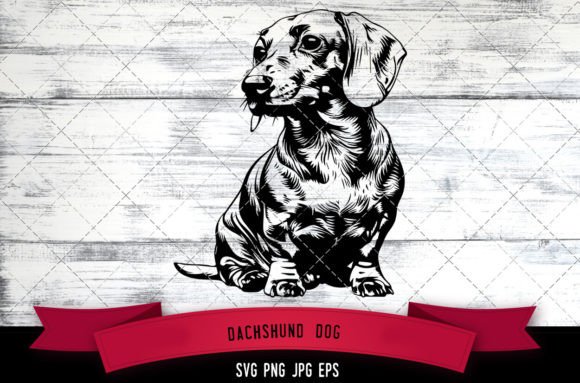
Opening the Dachshund Dog SVG, Dog SVG, Logo files, I immediately noticed the clean silhouette and confident lines. This is not an overly fussy illustration. It captures the long body, short legs, and distinctive profile of a dachshund without resorting to excessive detail. That restraint is a huge advantage for embroidery. Designs that try to pack too many fine lines into a small hoop often turn into a muddy mess. This one feels purposeful.
The mood is warm, playful, and slightly nostalgic. It reminds me of vintage pet logos you would see on a small-town grooming shop or a hand-embroidered tea towel in a country kitchen. For anyone selling handmade products or running a craft business, this kind of personality sells. It feels authentic, not mass-produced. Whether you are stitching it onto a sweatshirt for a dog mom or pressing it onto a canvas tote for a boutique, the design brings an instant emotional connection.
Real Project Test: Custom Tote Bags for a Pet Boutique
I tested the Dachshund Dog SVG, Dog SVG, Logo on a batch of cotton tote bags for a small pet shop that wanted a reusable grocery bag with their mascot. I converted the SVG into an embroidery file using my usual digitizing software, paying attention to stitch density and underlay. The first test stitch on scrap cotton muslin was encouraging. The satin stitch outline tracked smoothly around the dog shape, and the fill stitch interior laid down evenly without puckering.
After that, I moved to the actual bags. The tote fabric was a medium-weight cotton twill, which holds embroidery beautifully. I used a tear-away stabilizer and a 60-weight bobbin thread. The design stitched out in about eight minutes at a moderate speed. The dog silhouette was crisp, and the open spaces inside the shape gave the fabric room to breathe. The boutique owner loved the result and ordered a second batch for holiday gift bags. That is the kind of real-world test that tells me a design has staying power.
How It Performs Across Different Embroidery Situations
I always test a new design on at least three fabric types before I recommend it. With the Dachshund Dog SVG, Dog SVG, Logo, I tried it on cotton twill, a cotton-poly sweatshirt fleece, and a lightweight linen blend. Here is how it held up.
- Sweatshirt fleece: This is where many designs fail because thick fabric can swallow fine details. The dachshund shape stayed readable. The fill stitch sank into the fleece just enough to create a soft, dimensional look without distorting the dog's profile. I used a medium-weight cut-away stabilizer and a ballpoint needle, and the result was a plush, professional patch effect.
- Lightweight linen: Linen can be tricky because it stretches and shifts. I hooped the fabric with a layer of water-soluble stabilizer on top. The design stitched cleanly, and the open interior areas kept the fabric from distorting. This would work well for tea towels or pillow covers.
- Baby onesie (interlock knit): I tried a small-scale version for a personalized gift. At around three inches wide, the dachshund still held its shape. The satin stitch around the edges was narrow enough to avoid curling on the stretchy knit. I used a light cut-away stabilizer and a stretch needle. The result was a charming, washable design that would survive many trips through the laundry.
For custom apparel like t-shirts, caps, and aprons, the design is versatile enough to work in multiple placements. On a cap, I would keep the size under four inches wide and use a stiff stabilizer to handle the curved surface. The simple shape means fewer thread breaks and less re-hooping frustration.
Where to Use This Design Carefully
No design is perfect for every surface, and I saw a few places where the Dachshund Dog SVG, Dog SVG, Logo needs extra attention.
- Very small hoop sizes: If you try to stitch this under two inches tall, the dog's long nose and short legs may lose definition. I would keep it at least two and a half inches tall for clarity.
- Extremely textured fabrics: Deeply textured knits or bouclé can blur the outline. Use a dense underlay and test on a scrap first.
- High-stretch fabrics without proper stabilizer: Lightweight jersey knits need a firm cut-away stabilizer to prevent the design from distorting into a wiener-shaped blob.
- Dark fabrics with dark thread: The design relies on silhouette. If you stitch it in black on black, the dog disappears. Choose a contrasting thread color, especially if you are using the logo version for branding.
- Curved surfaces like caps: The long shape of the dachshund can warp on a curved cap front if not hooped carefully. Use a cap frame and test the placement before stitching.
For small shop products like embroidered patches, I would recommend adding a merrow or satin stitch border around the entire shape to give it a finished edge. The design itself is simple enough to become a sew-on patch or iron-on applique for jackets and backpacks.
Visual Appeal and Customer Value
When a customer sees a well-stitched dachshund on a handmade product, they notice two things: the design looks like their dog, and it feels sturdy. This Dachshund Dog SVG, Dog SVG, Logo delivers on both fronts. The silhouette is immediately recognizable, which matters for personalized gifts and holiday embroidery. A dachshund owner will spot this from across a craft fair and walk straight to your booth.
For Etsy sellers and small business owners, this design fits neatly into several product categories. You can list it as a digital embroidery file, use it on custom apparel, or incorporate it into boutique branding for pet-related shops. The included Graphics formats—SVG, PNG, JPG, and EPS—also let you create printable mockups for your listings. That is a real time-saver when you are juggling multiple product photos.
The craft business angle is strong here. Whether you are making embroidered patches for a local dog rescue or stitching baby embroidery for a nursery, the design communicates care and attention. It does not look like a generic clipart. It looks like something a designer sat down and thought about.
Practical Designer Notes Before You Stitch
Here are the steps I recommend before you commit to a full production run with the Dachshund Dog SVG, Dog SVG, Logo.
- Test on scrap fabric first. I know it is tempting to jump straight to the good fabric, but a test stitch on muslin or an old towel will save you hours of frustration. Check for puckering, thread breaks, and density issues.
- Check thread color contrast. Hold your thread spools against the fabric in natural light. A dark brown dog on a navy sweatshirt might look too similar. A bright red or cream thread can make the design pop.
- Review stitch density in your software. If you are converting the SVG yourself, pay attention to the underlay. Dense fill areas can cause the fabric to pull if the underlay is too aggressive. Reduce density slightly for lightweight fabrics.
- Confirm hoop size. The design fits comfortably in most standard hoops at three to five inches wide. If you are working with a mini hoop, scale the design carefully.
- Test in black and white mockups. Before you thread the machine, print the design in black and white at the intended stitch size. This helps you see negative space and spot areas where details might disappear.
- Compare light and dark fabric backgrounds. The silhouette style means the design can invert beautifully. A light thread on dark fabric gives a completely different feel than dark thread on light fabric. Test both to expand your product line.
- Use proper stabilizer. For most woven fabrics, a medium-weight tear-away works fine. For knits and stretchy fabrics, switch to a cut-away stabilizer. For caps, use a stiff cut-away or a cap-specific stabilizer.
- Check licensing before selling finished items or digital products. The product includes SVG, PNG, JPG, and EPS files, which gives you flexibility for both embroidery and design assets. But you must verify the license terms for commercial use, especially if you plan to sell the digital files themselves.
For commercial embroidery projects, I would also recommend keeping a test sample to show clients. When a customer asks how a dachshund design will look on their dog hoodie, having a stitched sample ready helps close the sale.
Final Thoughts on This Design for Real Use
After running the Dachshund Dog SVG, Dog SVG, Logo through multiple tests, I can confidently say it earns a spot in my active design library. It is not a novelty file that will sit unused after one project. It works across custom apparel, embroidered patches, tote bag design, sweatshirt embroidery, baby embroidery, and holiday embroidery. The silhouette is clean, the personality is warm, and the stitching performance is reliable when you take basic precautions.
For Etsy sellers and handmade shop owners, this design fits the kind of product that builds repeat customers. A dachshund owner who buys a personalized tote today will come back for a matching pillow cover or apron tomorrow. That is the kind of craft business growth that comes from having versatile, well-designed design assets in your toolbox.
If you are still on the fence, stitch one test piece on a tea towel or a simple apron. I think you will see what I mean. The Dachshund Dog SVG, Dog SVG, Logo bundle is a solid addition to any embroidery project lineup, and it earns a finished product recommendation from my studio.