Chihuahua Dog SVG: Real Talk for Embroidery Designers
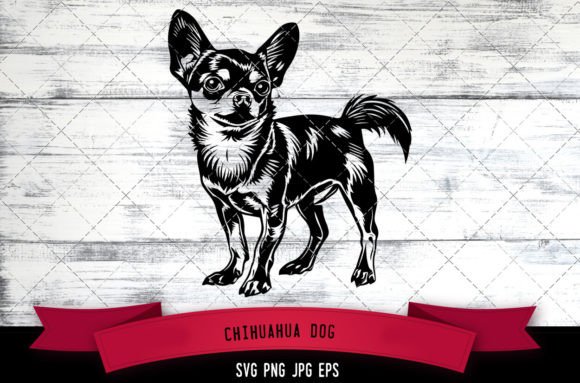
When you open a new design file for the first time, you’re not just looking at pixels or vector paths. You’re imagining how it will feel in the hoop, how it will move with the fabric, and whether your customer will smile when they see it. That’s exactly how I approached the Chihuahua Dog SVG, Dog SVG, Logo. At first glance, this design has a clean, modern silhouette—a confident little dog with big ears and a playful but dignified stance. The linework is simple enough to translate well into stitch, and the overall shape has a natural balance that works on both centered and off-center placements. This isn’t a hyper-detailed portrait; it’s a logo-style graphic that reads instantly as a Chihuahua. That clarity is valuable when you’re stitching at scale or on smaller items.
Because the file comes as SVG, PNG, JPG, and EPS, you have flexibility right out of the gate. For embroidery work, the SVG is your starting point. You’ll need to bring it into your digitizing software to create the actual machine embroidery file, but the clean vector base means fewer hours cleaning up stray nodes or weird overlapping shapes. The theme is playful without being cartoonish, which makes it a strong candidate for both personal gifts and commercial products. I could see this design working beautifully on a custom tote bag for a dog lover, or as a small embroidered patch on a sweatshirt. Its personality feels affectionate but not overly sentimental, giving it a broad appeal.
What This Design Brings to a Custom Embroidery Project
I recently took on a small order for a local boutique that wanted a series of dog-themed totes for a charity adoption event. The Chihuahua Dog SVG, Dog SVG, Logo was my top pick for one of the designs. I digitized it as a fill stitch with a satin stitch outline, and the results were sharp right out of the hoop. The moderate detail level allowed me to keep the stitch count reasonable—no dense pile-up in the ears or the face—so the tote bag didn’t pucker, even on medium-weight cotton canvas.
For custom apparel like sweatshirts or t-shirts, the design’s clean silhouette means it reads well from a distance. You can scale it up for a bold center chest embroidery or shrink it down for a left-chest logo placement. I tested it at about 3 inches wide, and the eye and nose details remained distinct. That’s a good sign for any embroidery file that will be used on adult and kids sizes alike. The design also works for embroidered patches. Because the edges are clearly defined, a satin stitch border around the entire shape creates a neat finish that can be cut and applied to jackets, bags, or caps.
If you’re an Etsy seller or small shop product creator, this design is a versatile asset. You can use it on tote bags, tea towels, baby onesies (with proper sizing), pillow covers, and even holiday ornaments. I could easily picture it as an applique design for a child’s blanket or as a centerpiece on a custom apron for a dog-themed bakery. The fact that it’s provided as both vector and raster files also helps for printable mockups, social media posts, and product listings. You can show the design on a digital preview, then stitch the real thing.
Where to Use It – and Where to Be Careful
The design’s strength is its simplicity, but that also means you need to consider the context. For curved surfaces like caps or beanies, the overall shape will conform well if you keep the design under 2.5 inches. The ears are slightly wide, so on a curved cap, test a stitched sample first to ensure the ears don’t distort. On stretchy fabrics like lightweight t-shirts, use a cutaway stabilizer and a medium-fill density to avoid tunneling. I found that a satin stitch outline at 0.5 mm width gave a nice crisp edge without adding too much stiffness.
Avoid placing the design on very thick or textured fabrics like heavy fleece or terry cloth, because the fine detail in the eyes and nose can get lost. If you must, increase the size slightly and consider a looser fill stitch density. On dark fabric, you’ll want to double-check thread color contrast. A white or light gray thread on a black hoodie will make the Chihuahua pop, but a dark brown thread on navy will disappear. Always test with a quick stitch-out on a scrap of the actual fabric. Also be careful with tiny hoop sizes—anything under a 4x4 hoop will work if the design is scaled to fit, but you’ll lose some of the ear definition below 1.5 inches. For baby embroidery or small items like bibs, consider using a 4x4 hoop and scaling to 2 inches.
The file formats include SVG, PNG, JPG, and EPS. That’s sufficient for most graphics work, but note that the SVG is a vector graphic, not a machine embroidery file. You’ll need to convert it to your specific format (PES, DST, EXP, etc.) using digitizing software. If you’re planning to sell the design as a digital product, check the license carefully—the description doesn’t specify terms, so you’ll need to verify whether commercial use for physical and digital items is allowed. For personal gifts, you’re fine.
How the Design Impacts Your Product Value and Customer Experience
In the handmade product world, the visual appeal of your embroidery directly affects how much a customer is willing to pay. A well-stitched Chihuahua Dog SVG, Dog SVG, Logo reads as professional and intentional. It doesn’t look like a generic clipart trace; the proportions feel natural, and the overall mood is friendly but not goofy. That balance helps you attract customers who want a personalized gift that feels cute but not childish. I’ve seen similar designs on boutique merchandise sell for a $15–$25 premium over plain items because the embroidery looks clean and the design resonates with dog lovers.
Customer trust also builds when the embroidery holds up after washing. Because this design has moderate stitch density and no tiny lettering, it’s sturdy for items that see frequent use, like kitchen towels or tote bags. The satin stitch border protects the edge from fraying. If you’re making gifts for a Chihuahua owner, the recognition factor is immediate—they’ll see that silhouette and know exactly what it is. That emotional connection makes the product more giftable and more likely to be kept for years.
For craft business owners, having a design like this in your library also helps with brand consistency. You can use it across multiple product lines: a tote, a sweatshirt, an embroidered patch, a printable mockup for your website. The same vector graphic can be printed on a hang tag or used as a logo for your small shop. That kind of reuse is efficient and builds a cohesive look. Just ensure you have the proper licensing if you plan to sell the design as a standalone digital file.
Practical Embroidery Designer Notes
Before you use the Chihuahua Dog SVG, Dog SVG, Logo in a real project, do these checks. First, test it on a scrap fabric that matches your final product. Use the same stabilizer you plan to use—cutaway for knits, tearaway for wovens. Run a single color version in black to see how the design reads. Then try the actual thread colors you intend to use. The vector file is clean, but after digitizing, small details like the nose and eye might need a running stitch or a tiny satin stitch rather than a fill. Adjust the stitch angles in the body to follow the natural curve of the dog’s head for a more dimensional look.
Consider making a black and white mockup to check contrast. For any embroidery project, the design will look completely different on a white towel versus a black hoodie. If the fabric is dark, choose a thread color that sits a few shades lighter than you think—it’ll pop more. On light fabrics, you can use dark tones. Also, if you plan to use the design as an applique, the SVG is perfect for cutting fabric shapes. The clean outlines make it easy to create a fabric piece and stitch it down with a satin stitch.
Finally, confirm the hoop size and stitch density before digitizing. The SVG file doesn’t include a stitch count, so you’ll need to generate that in your software. For a 3-inch design, expect a moderate stitch count—probably around 3,000-5,000 stitches depending on your digitizing choices. That’s comfortable for most domestic machines. If you’re selling finished products, make sure your commercial license allows it. If you’re selling the digital files themselves, double-check that the license permits resale. When in doubt, contact the seller.
Overall, this design is a solid addition to any embroidery designer’s library. It’s straightforward to digitize, offers clear visual impact, and fits many project types from tote bags to holiday gifts. With a bit of testing and attention to fabric choice, you can turn this little Chihuahua into a profitable product that customers will love to buy, gift, and wear. Happy stitching.